Art Exhibit.

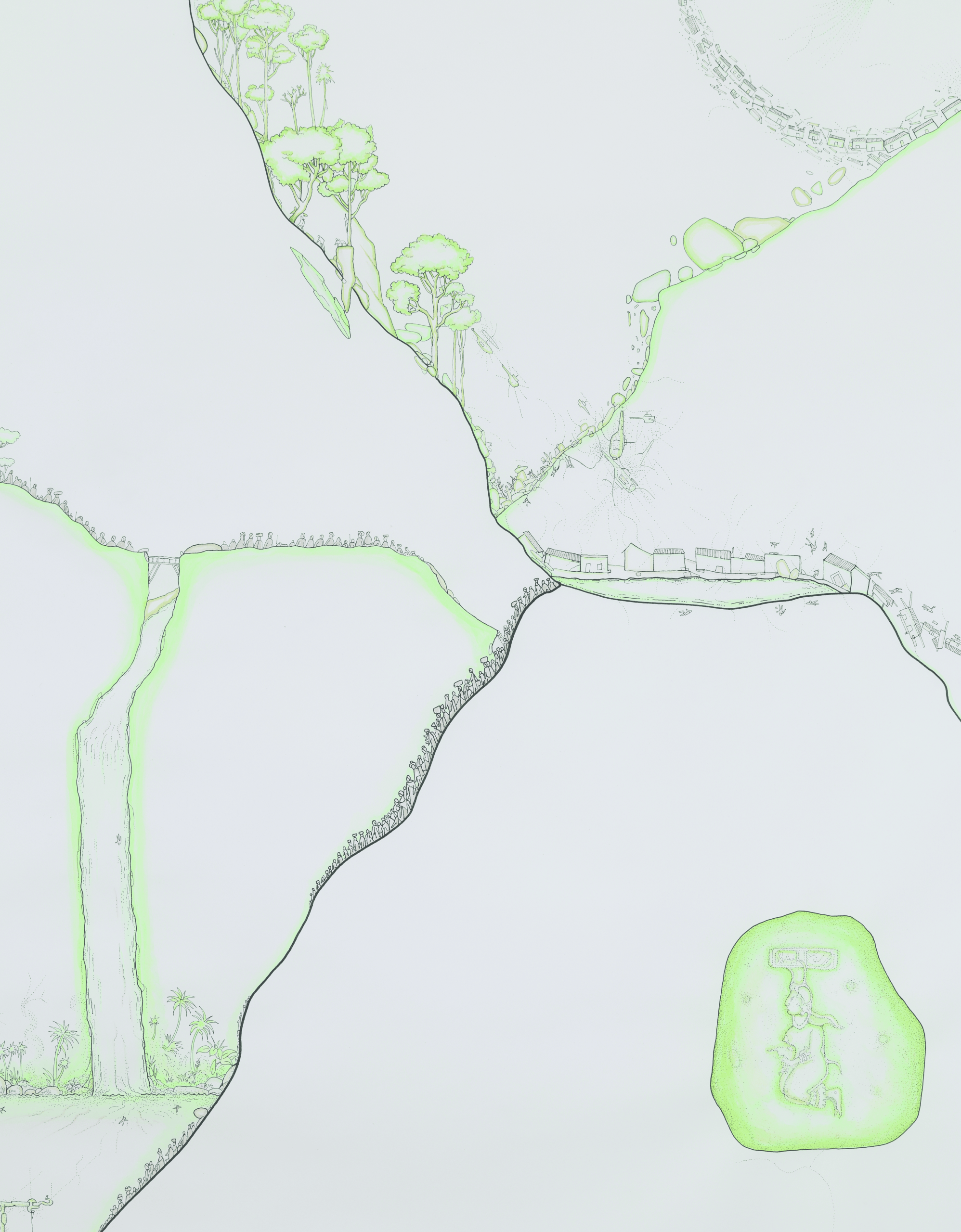
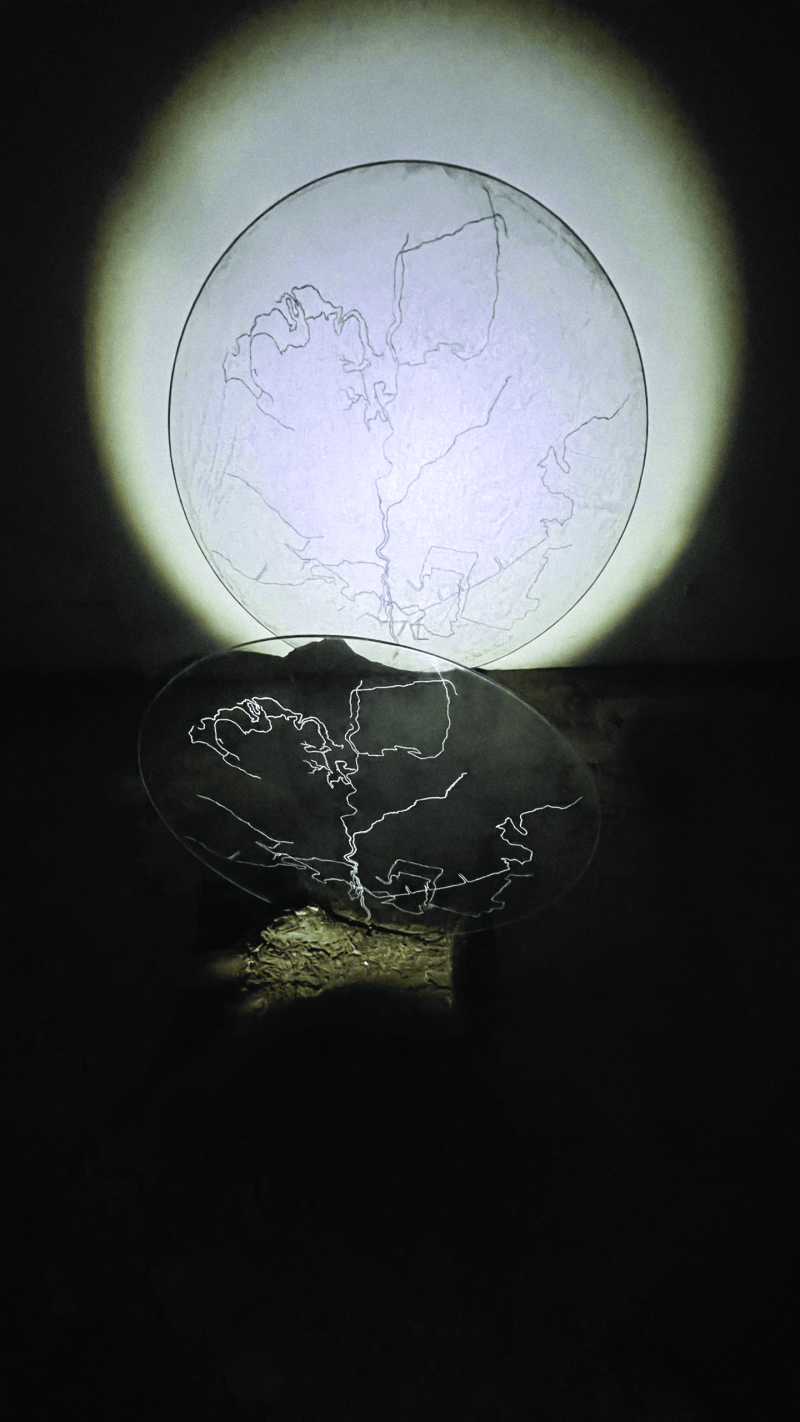
The collective exhibition Cartographic Traces references the duality and complexity of the maps and plans used during the Cold War in Guatemala. The exhibition explores the visual, geopolitical, and symbolic discourses that shaped—in both real and imagined ways—the Guatemalan territory during one of the most turbulent periods in its history. 

Efforts to build strategic geographical knowledge peaked in the early 1980s, as the Guatemalan army sought to control the countryside through map management, the construction of model villages, and civil patrols, among other campaigns. 

Furthermore, Guatemalan guerrillas and displaced populations generated their own geographical knowledge by navigating known and unknown territories out of the state’s sight, using ancestral and local wisdom, and moving through landscapes charged with social meanings, memories, histories, and non-human beings.

Through a selection of works by diverse artists and historical archives, the exhibition demonstrates how cartographic lines did not merely express the configuration of geographical space; they served as tools of power, control, and surveillance on one hand, and of resistance and confrontation on the other, within the context of geopolitical conflict. 

The curatorial approach proposes a journey where maps reflect a discursive imposition of state power—with evident international influence and military control—while also generating scenarios for social struggles. 

From strategic plans used by the state to artistic interpretations that resignify borders and territories of memory, the exhibition invites viewers to question official narratives and discover, from often invisible margins, other forms of spatial representation with their own identities and meanings. 

The artworks highlight how the Cold War was fought not only in political and military realms but also through the language of territorial representation, involving overlapping economic, cultural, and social interests. The works invite reflection on the continuities and transformations in the construction of territory and memory in Guatemala.

This exhibition reveals the different layers of meaning that maps and spatial representations can hold. It invites us to contemplate how the Cold War configured a geography full of tensions, where the visible and invisible intertwine, aiming to construct a more complete and nuanced narrative of the history of violence. 

Through art, history, and testimony, the exhibition alludes to the complexity of the Guatemalan territory and its recent history, seeking to open new paths for understanding and reinterpreting space, and recognising the wealth of diverse voices that constitute an essential part of the country’s identity and memory.

Explore the exhibition further through our online exhibit tour, and consult the accompanying catalogue for additional context and reflection.
José Manuel Mayorga

Curator of Exhibit

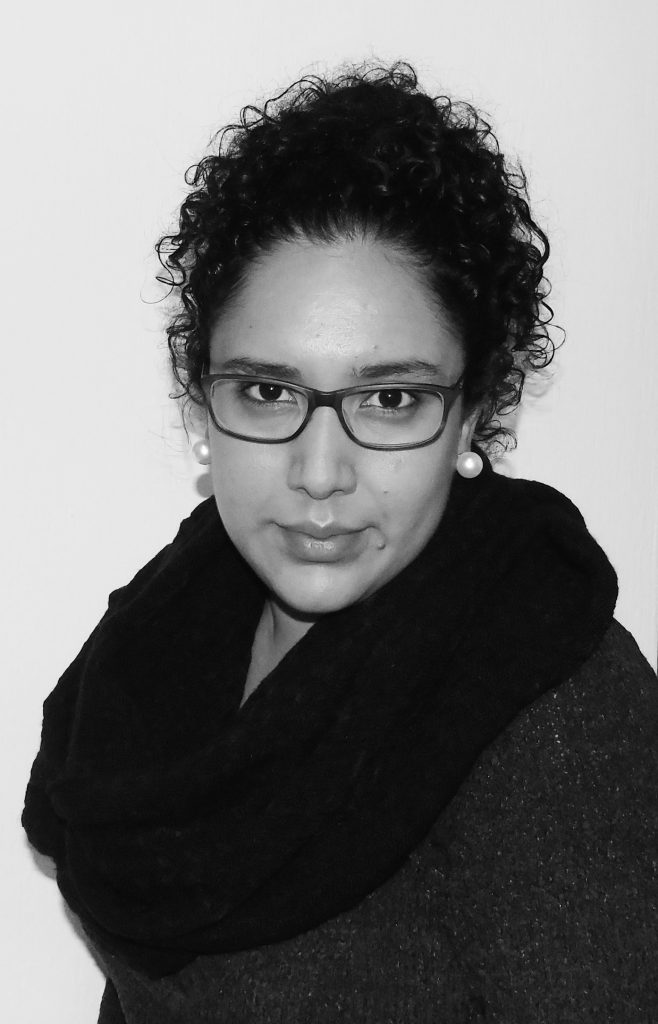
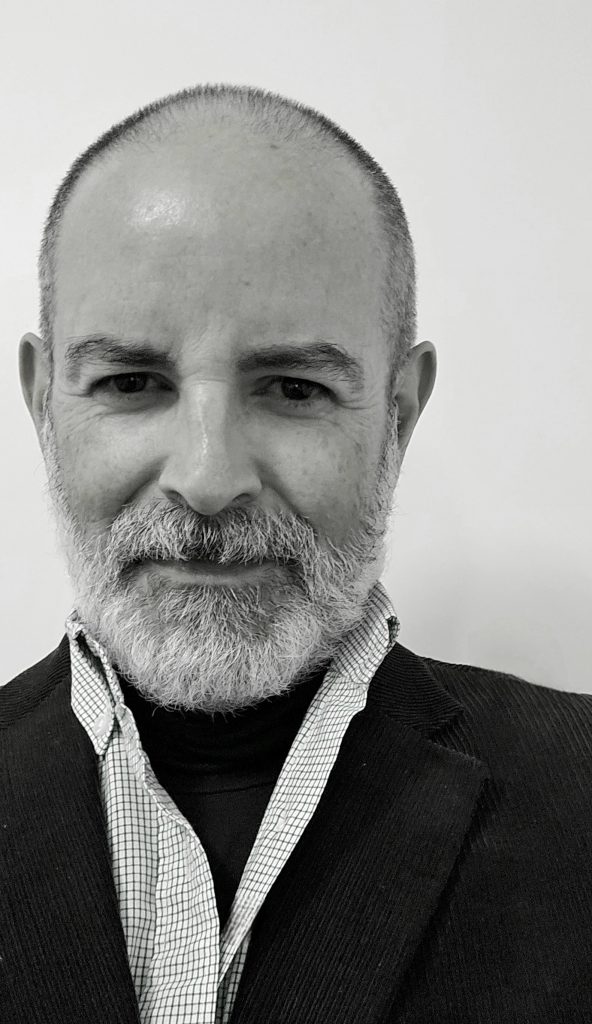
José Manuel Mayorga (curator) is a lawyer and notary, visual artist, cultural promoter, and editor. He has been responsible for curating the exhibitions Otras Visiones (2009) as part of Foto30 and Margarita Azurdia, Todo es Una (2020). He lives and resides in Guatemala.

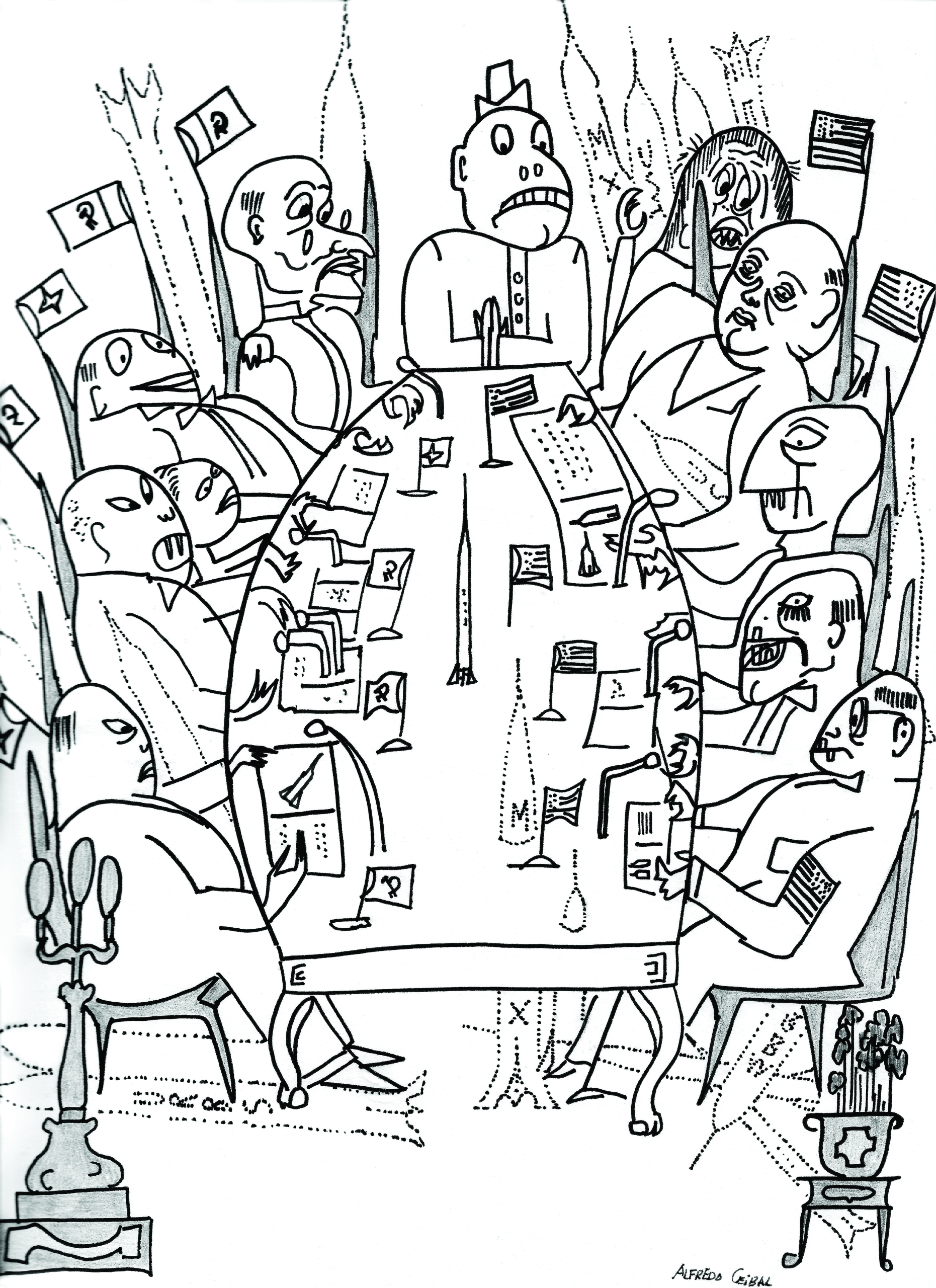
Alfredo Ceibal

Alfredo Ceibal is an artist. His work features explorations and investigations as a self-taught artist. He began his career in the visual arts in New York City in the early 1980s; developing themes of identity that encompass social rituals of Guatemalan culture: funerals, honeymoons, piñatas, quinceañeras, among others. Gradually, his work has evolved toward research on the Anthropocene and its implications on planetary biological wear and tear, as well as its consequences for humanity. Initially, he exhibited his works in alternative spaces in the East Village, NYC; later, in group and solo shows in museums and galleries in New York such as the INTAR Gallery, PSI-MOMA, The Bronx Museum of the Arts, and Museo del Barrio, among others. To date, numerous group and solo exhibitions have taken place in various countries. Ceibal has also been commissioned to carry out public projects in New York City and various international artistic projects. Among his recognitions are: The National and International Studio Program PSI-MOMA; public art commissions for The NYC Metropolitan Transportation Authority, The NYC Board of Education, The ABSOLUTE Collection, The Smithsonian Institution Collection, and La Décima Central American Biennial in San José, Costa Rica. His work has been published in numerous catalogs and specialized magazines. In 2006, he returned to Guatemala City, where he currently resides and works.

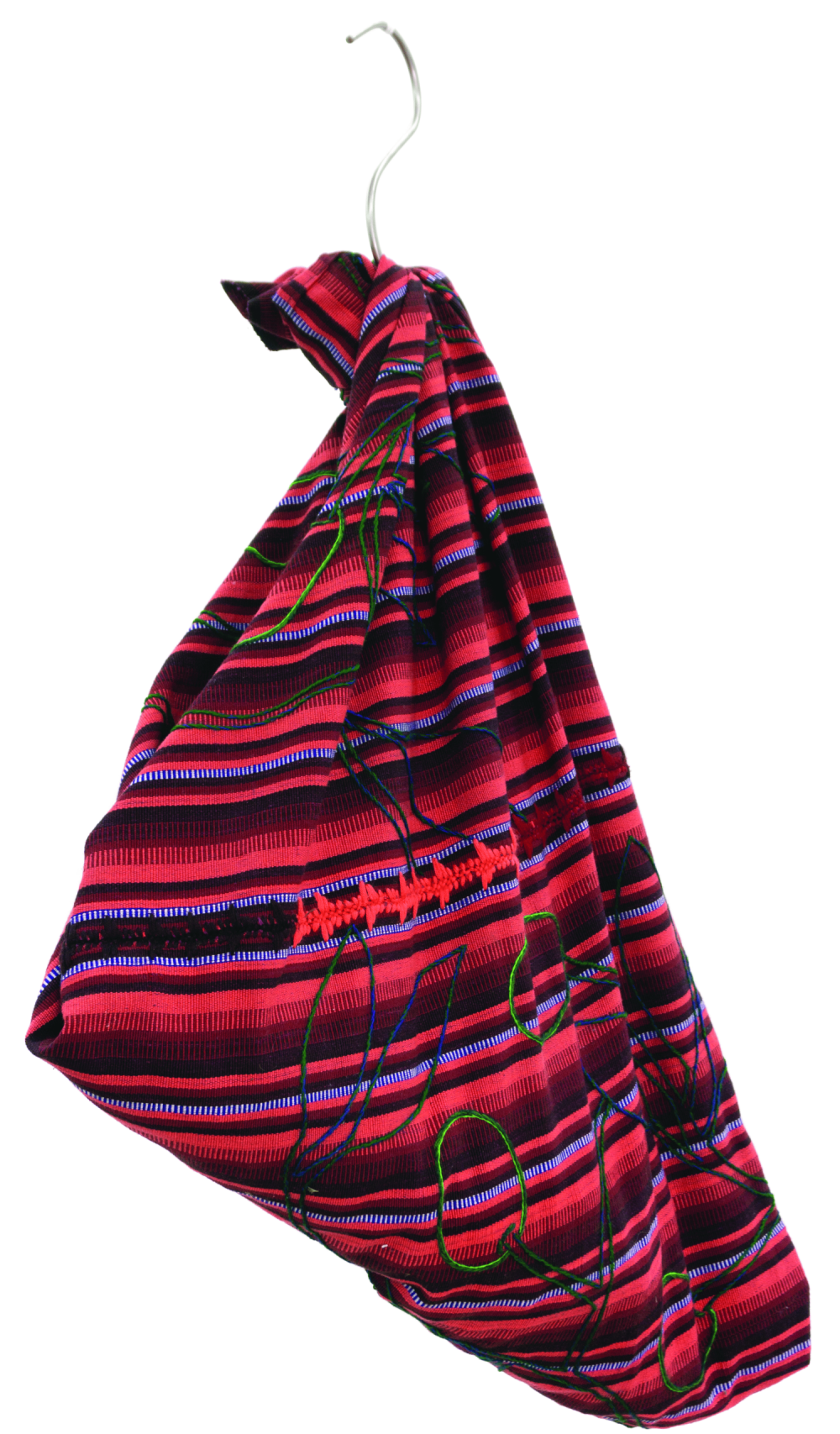
Andrea Monroy Palacios

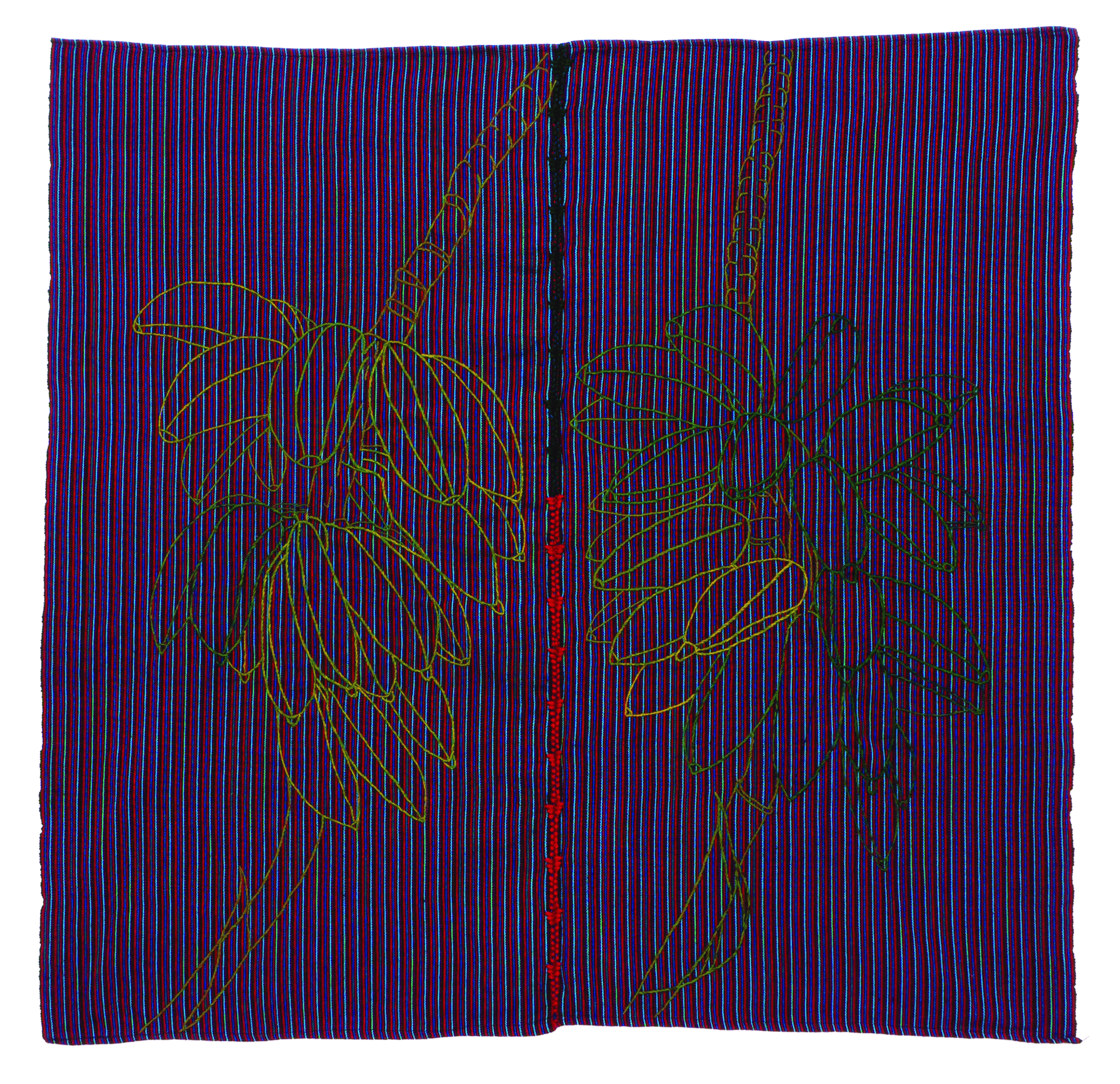
Andrea Monroy Palacios is from Guatemala. She studies and develops her work mainly in textiles. She explores themes of gender, history-memoir, and in particular, Guatemalan textile tradition. She approaches this last topic as if she were synthesizing material from her interpretation of Mayan Cosmovision. Her study and practice involve technical processes specific to this tradition, which she has taken to a better understanding of the rich textile heritage in her country and has influenced her development as an artist. She addresses fiber from the relationship with flora and fauna in her environment immediately and the possibilities that arise for her to symbolize personal meanings. Her work has been exhibited in spaces recognized as museums of art in Guatemala, such as the Ixchel Museum, the Esquipulas Art Biennial, and the Municipal Cultural Center AAI. She has participated in residency programs such as MeetFactor in República Checa and has organized cultural centers in Spain. At an international level, her work has been exhibited in Central American countries, the United States, Spain, Praga, Italy, and Switzerland.

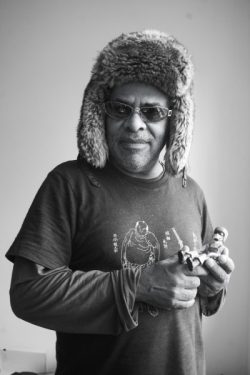
Daniel Chauche

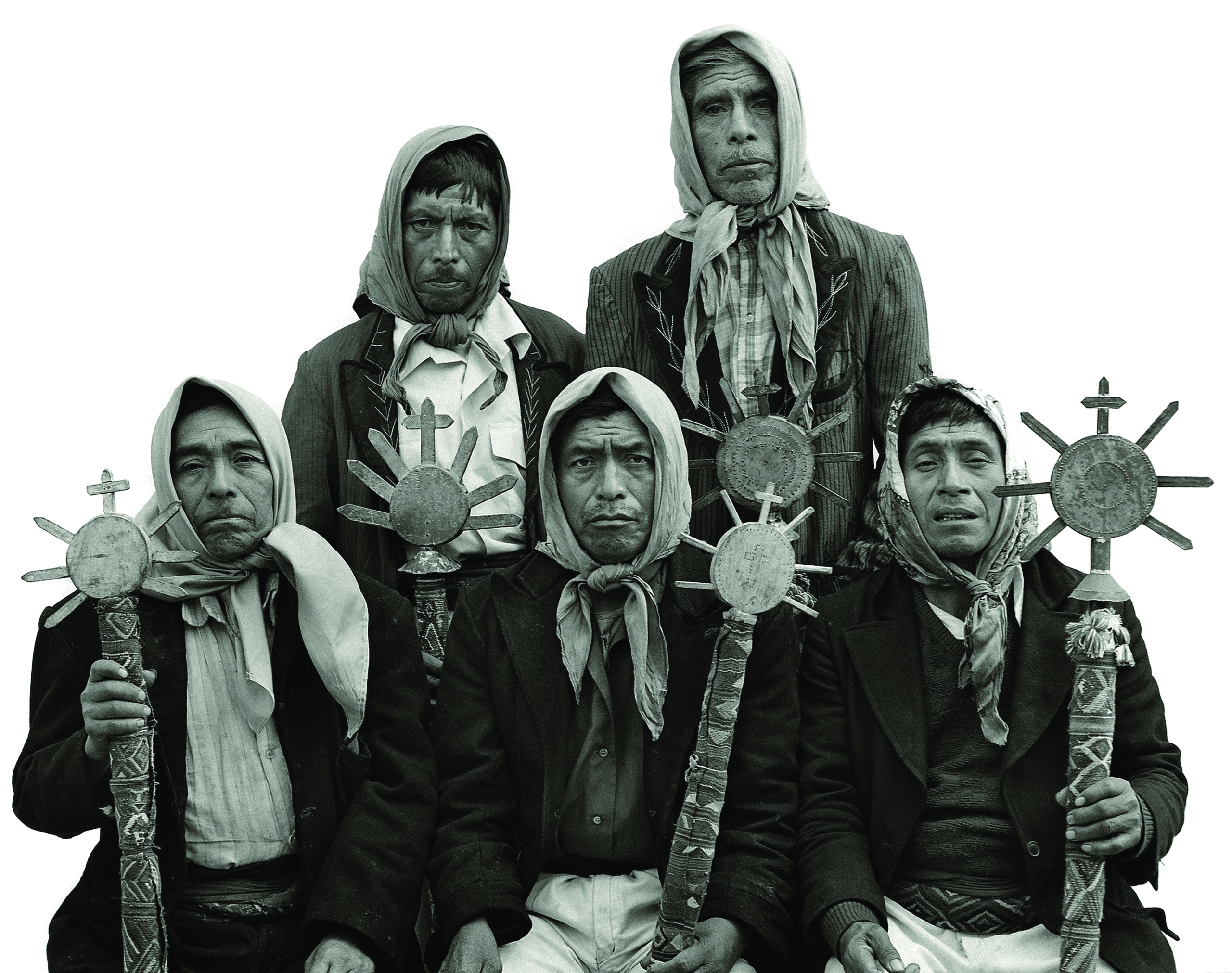
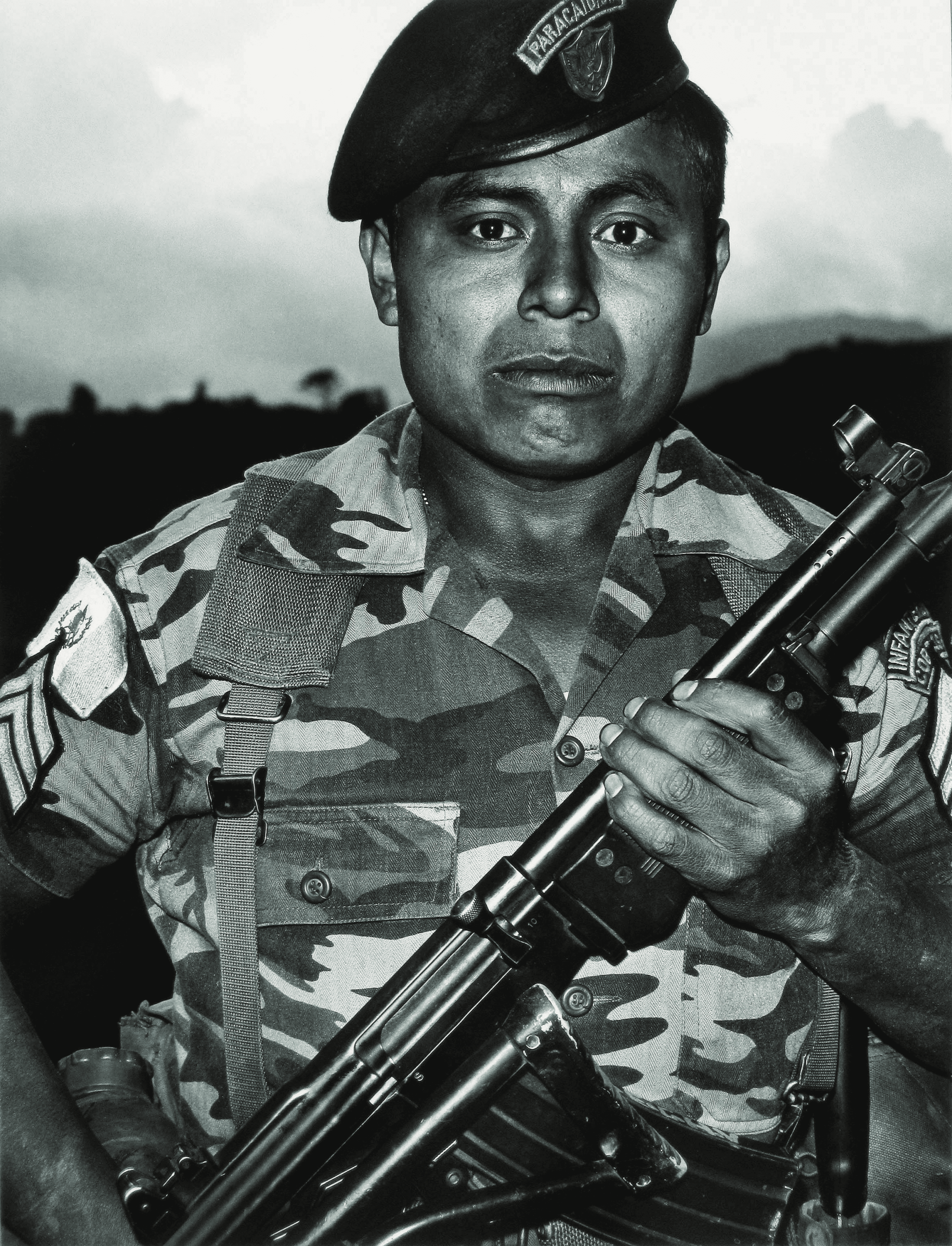
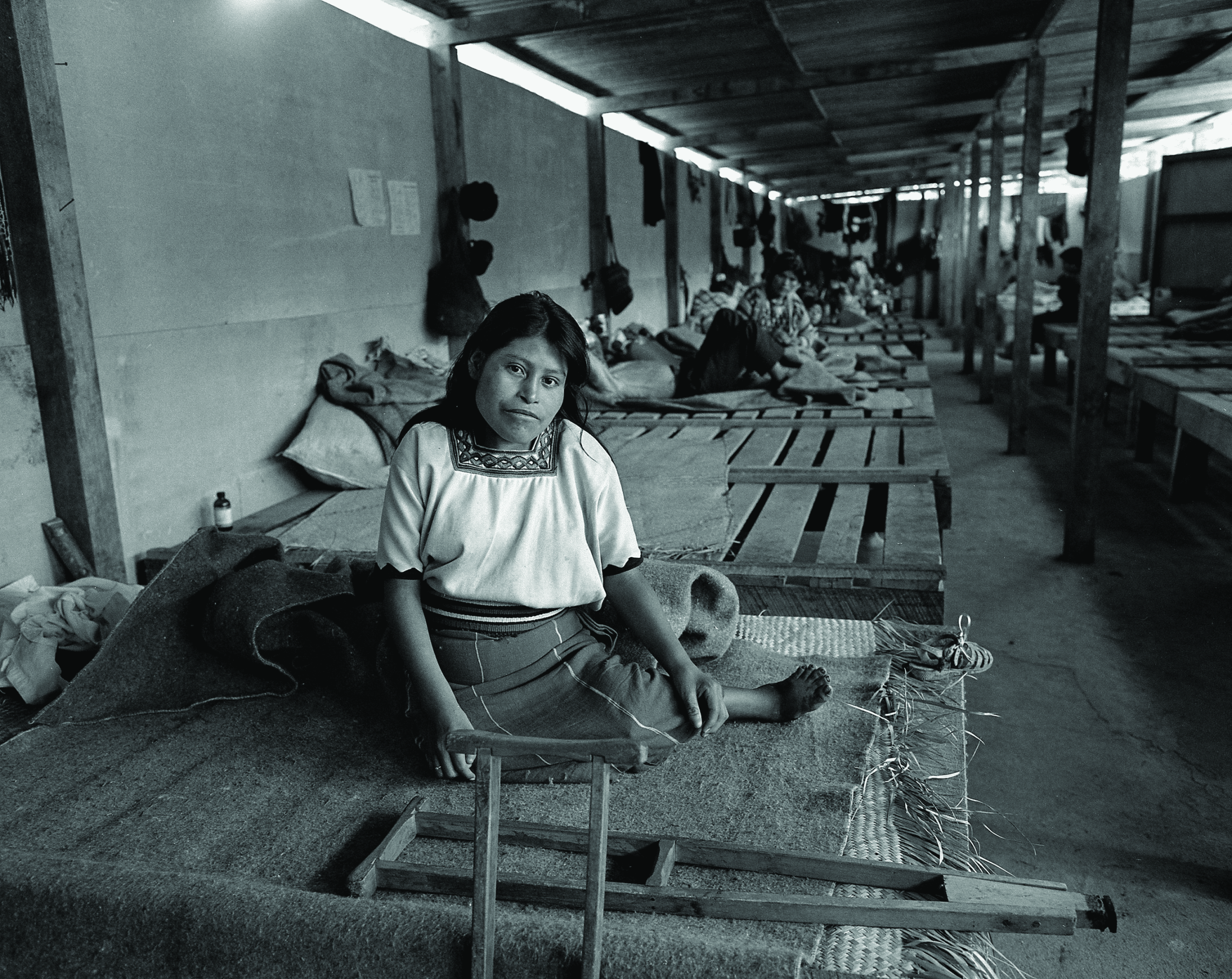
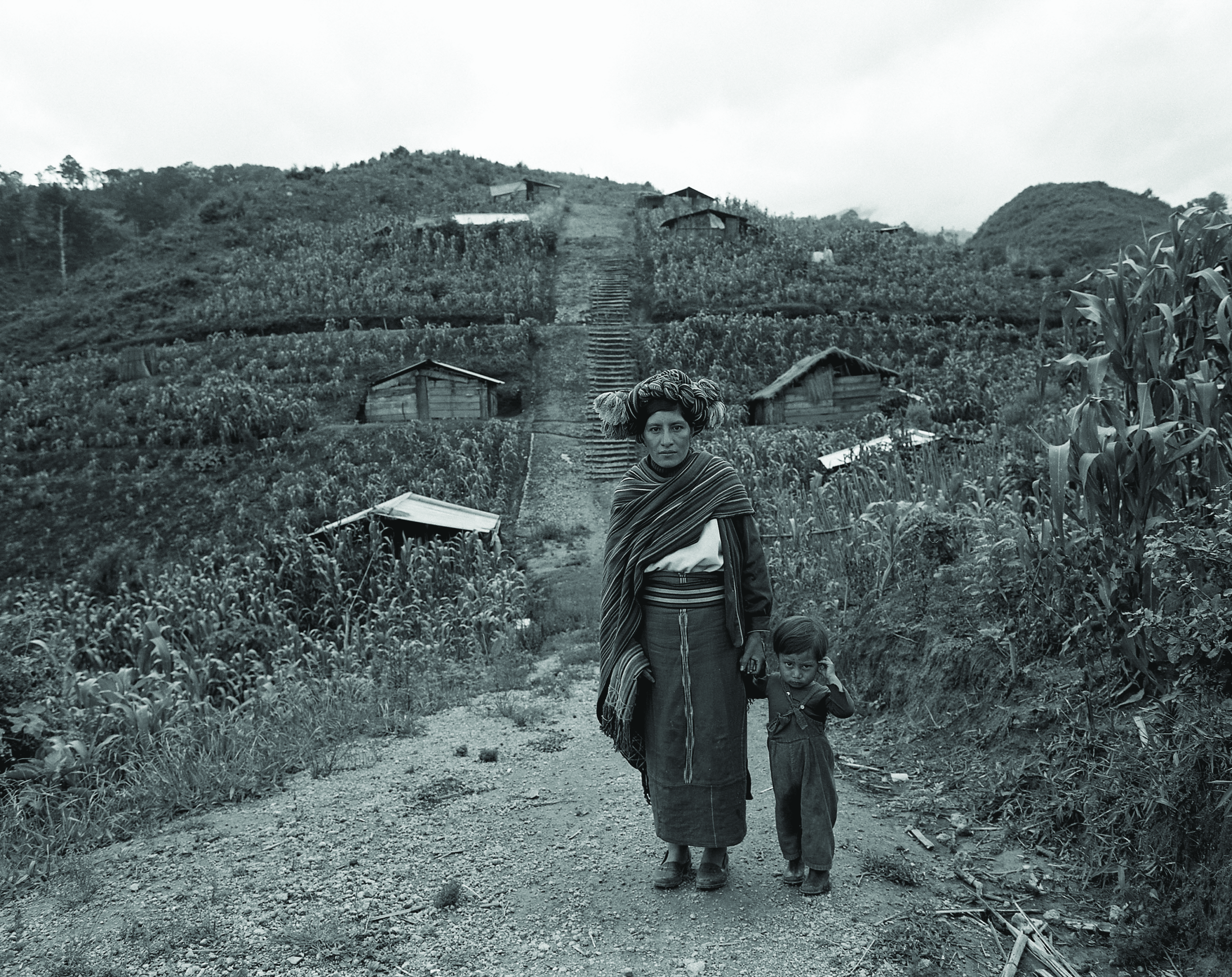
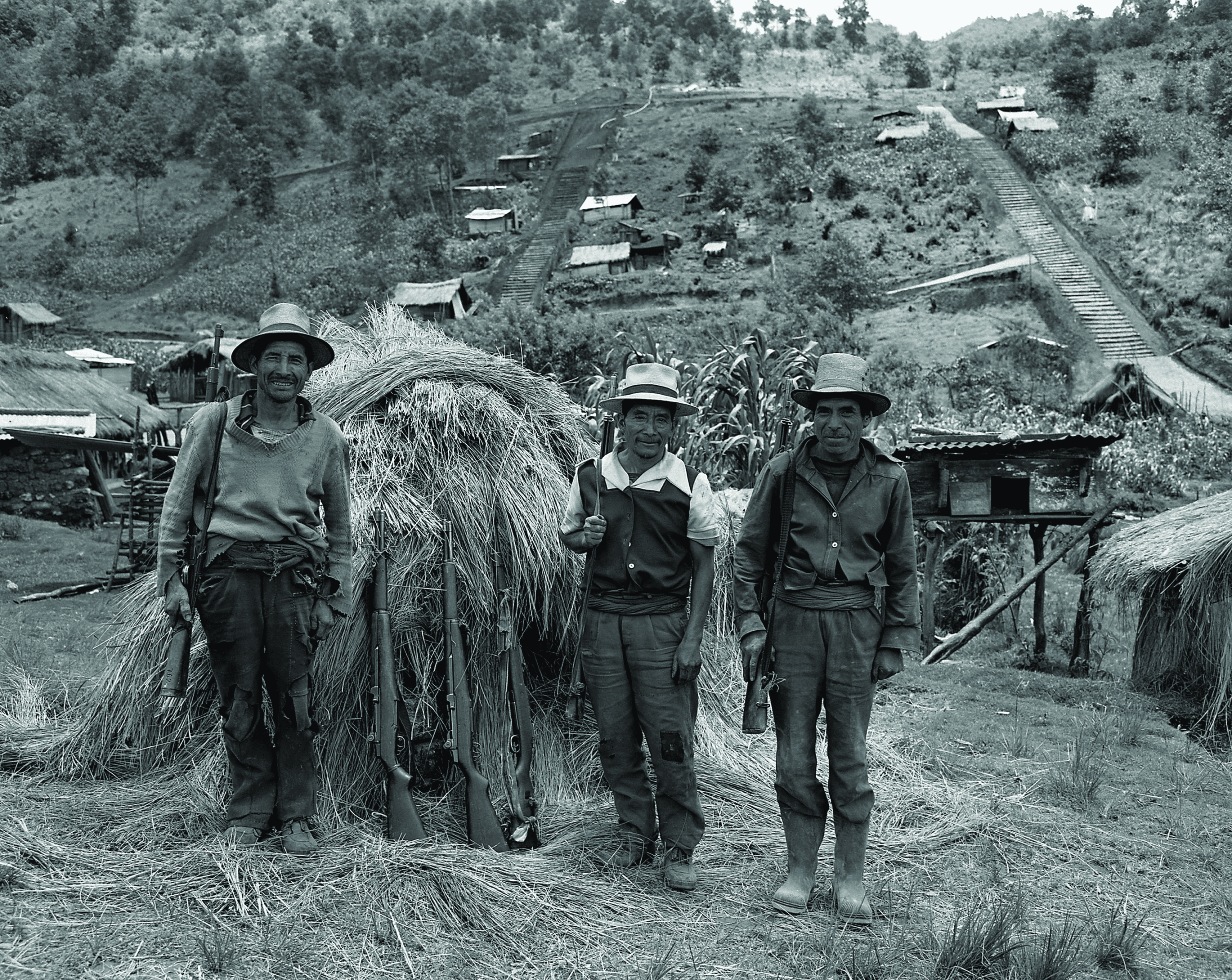
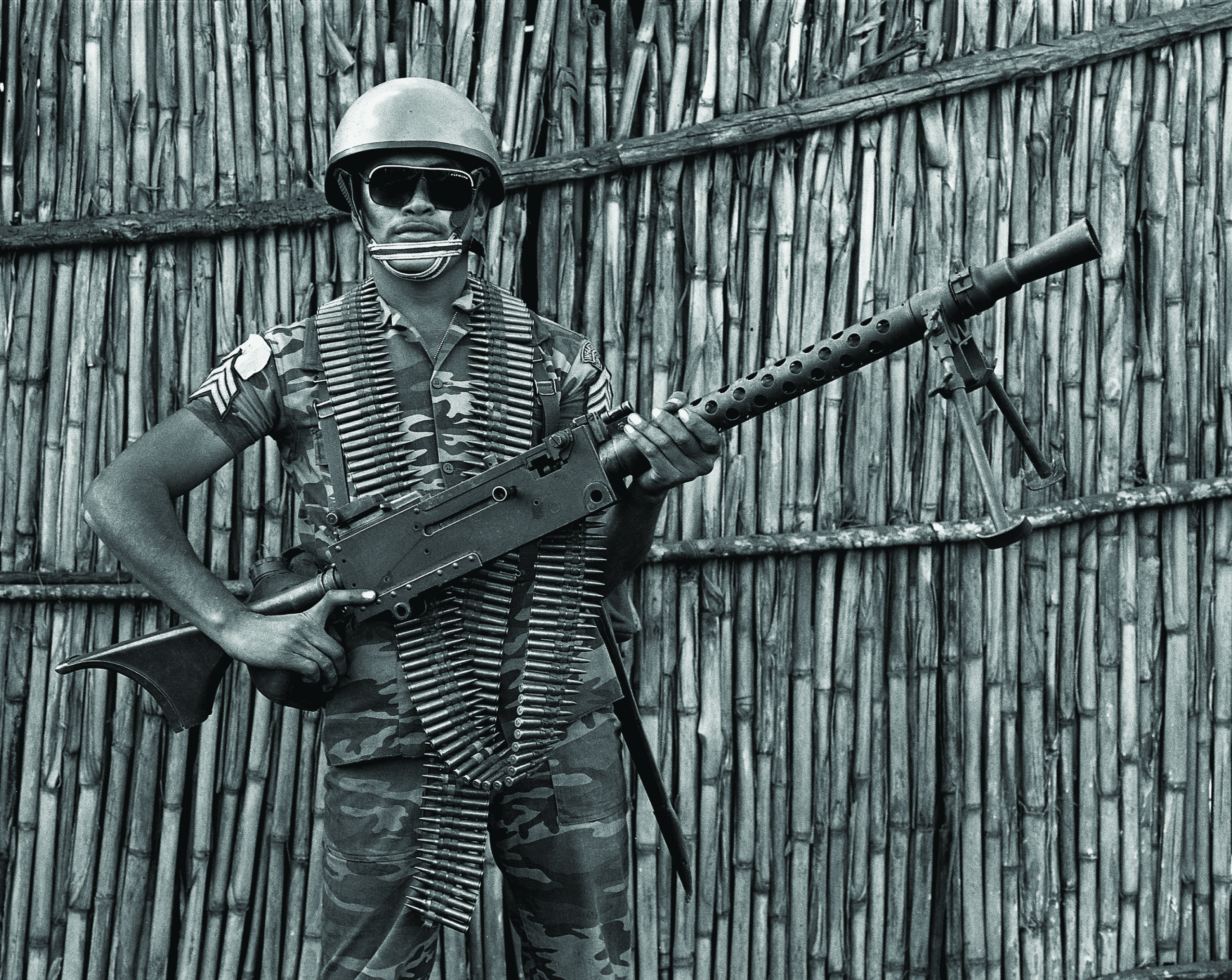
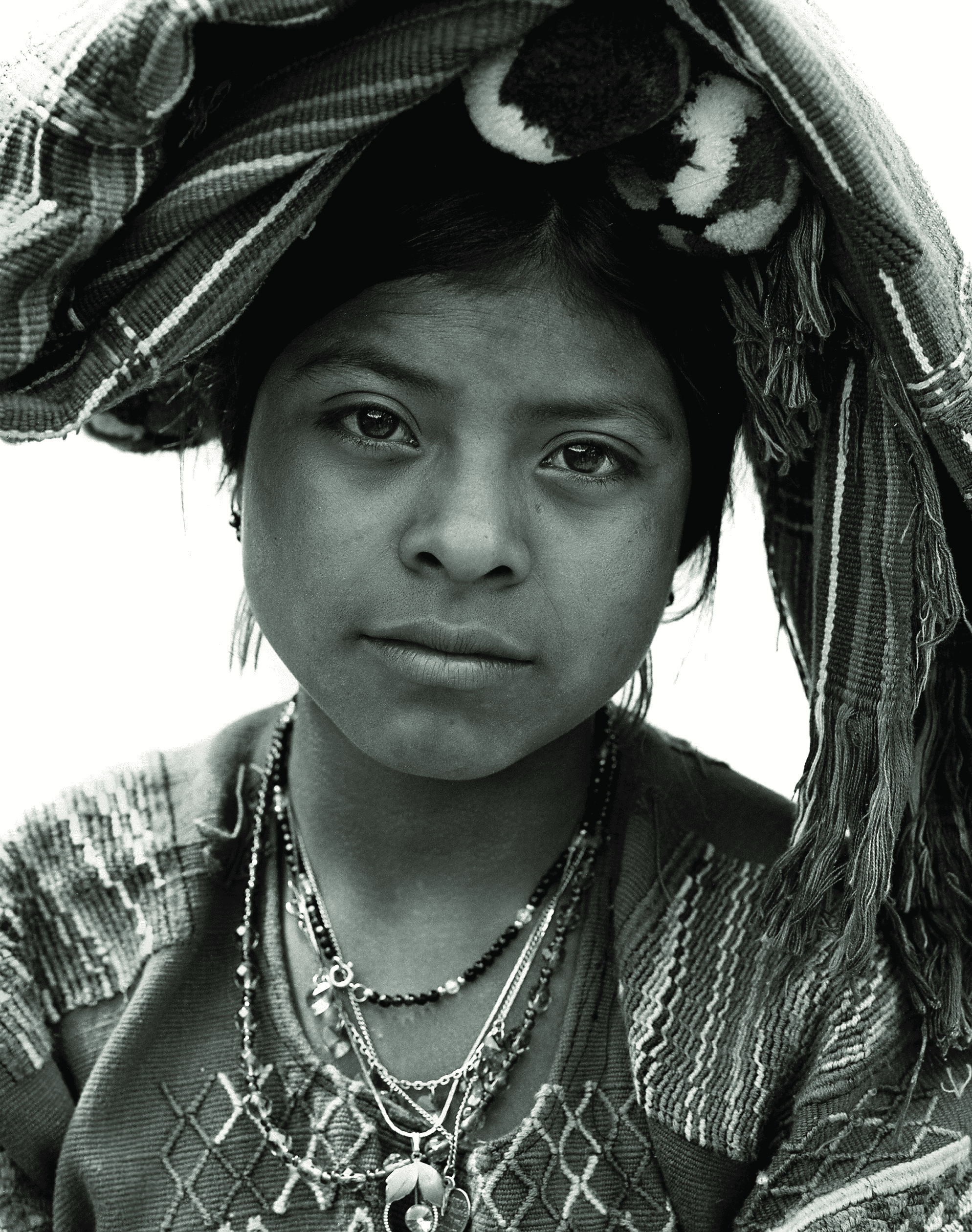
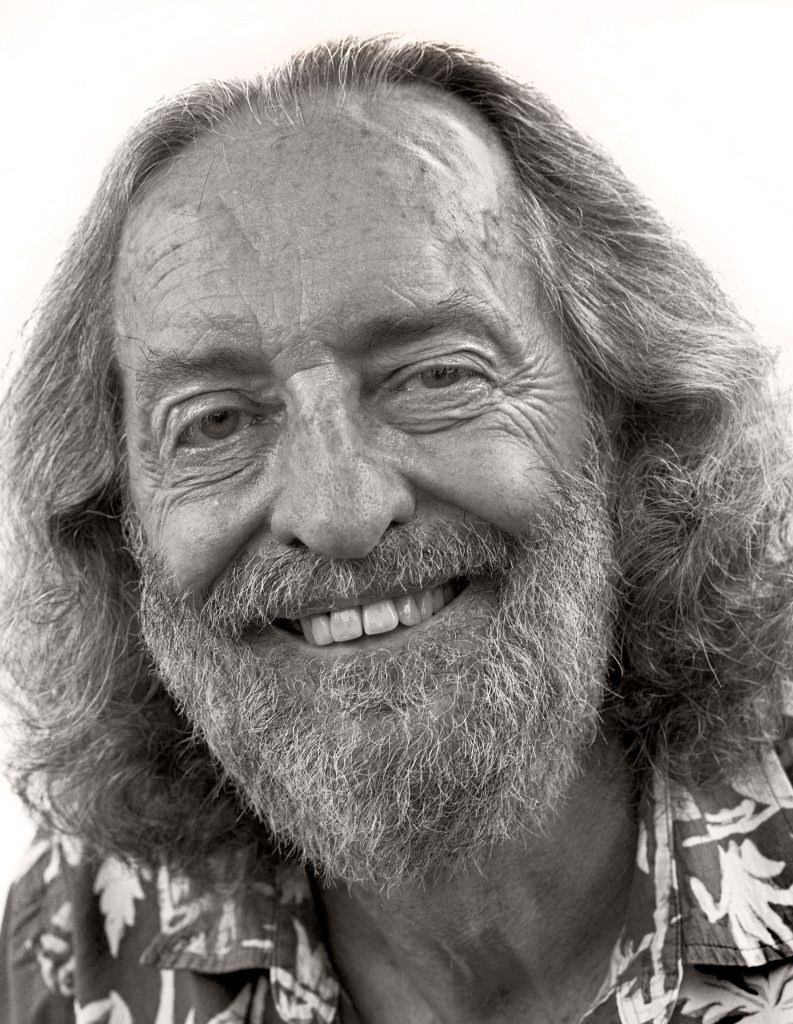
Daniel Chauche is an artist, teacher, and owner of the studio “Chez Daniel S. A.,” where he produces photography projects and consults on initiatives to promote photography in Guatemala. He was born in France and the United States, the son of a French father and an American mother. Although he initially studied Zoology, he discovered his true vocation in photography. He undertook specialized studies at the University of Florida, where he earned a Master of Fine Arts in 1979 and later served as a professor. Between 1980 and 1983, he established the photographic studio The Personal Image. He first arrived in Guatemala in 1975, staying until 1977, and during that time, lived in San Juan Sacatepequez, where he began to explore and get to know it in depth. He settled permanently in the country in 1983, in Antigua Guatemala. As a wandering photographer, from the perspective of the assumed common man, he portraits anyone who wishes to be photographed in the town squares. In 1987, as a result of this work, he produced his famous series “Fondo Blanco.” Over four decades working within various communities of the country have led his work to reflect the true identity of these peoples. Chauche has exhibited in most of Guatemala’s most important galleries and museums.

Jenniffer Paiz

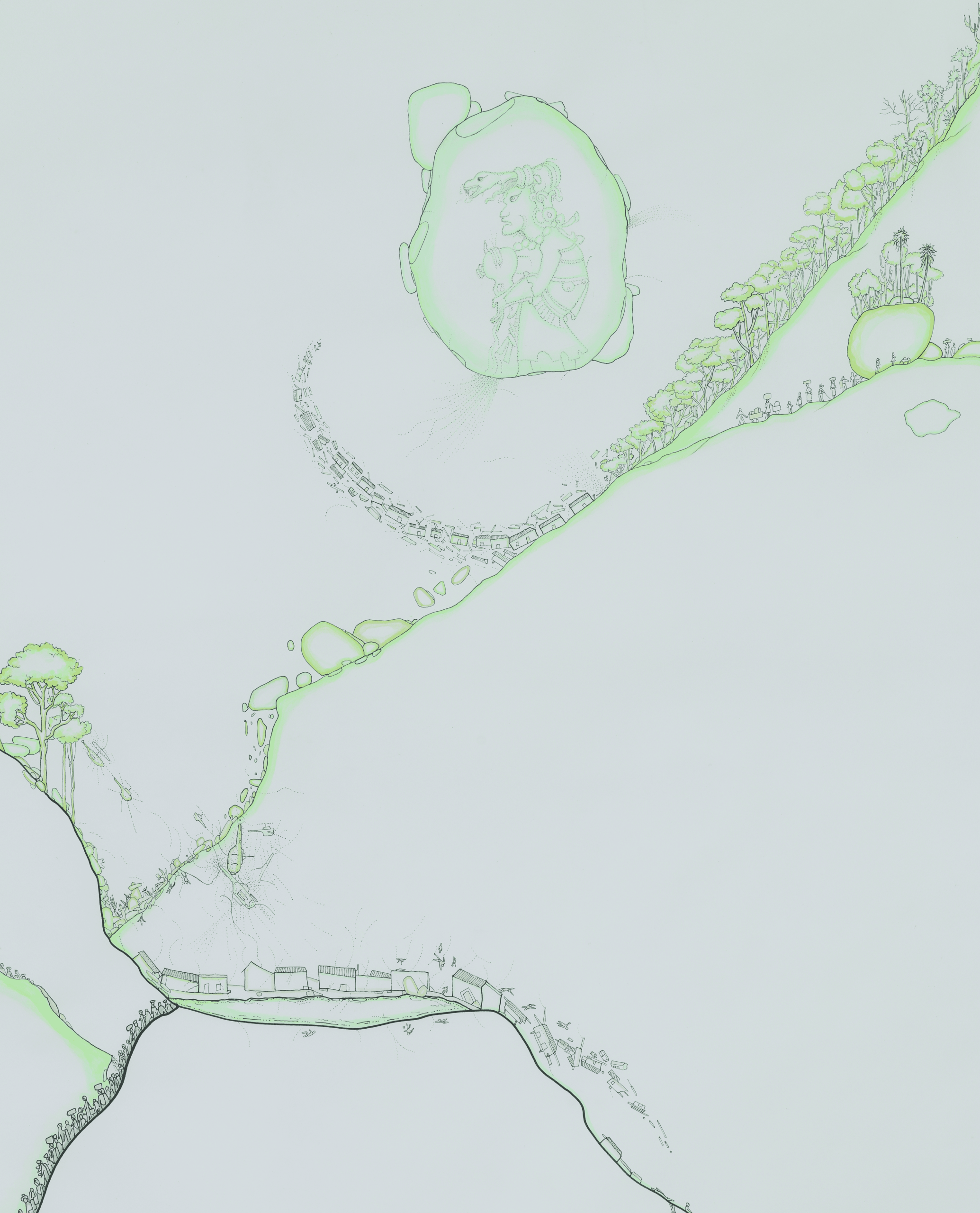
Jenniffer Paiz was born in Guatemala City in 1983. She is an independent artist and lives and works in the city. She has exhibited in Central America and some European countries. Her background in social sciences and research, both in Guatemala City and in Central American countries, combined with art, has allowed her to discover that this is a powerful medium to visually address everyday issues. Since 2014, she began experimenting with different materials to express personal and collective situations. In 2017, she began a series called HUSH, where she works with pyrotechnics. Its name comes from the onomatopoeia of the sound of gunpowder burning; the series reflects on the paths travelled and explosions as metaphors for experiences that mark and transform our psyche within the social context we inhabit. From this exploration, she began experimenting with new materials, which led to series such as K’A, in which I create paintings using grinding stones, forming landscapes with natural pigments derived from everyday plants. This process led her to explore lesser-known topics, giving rise to the series Con Título Desconocido, which focuses on little-visited places with little visibility in society but that play a role in Guatemalan history.

Sylvia Tenenbaum

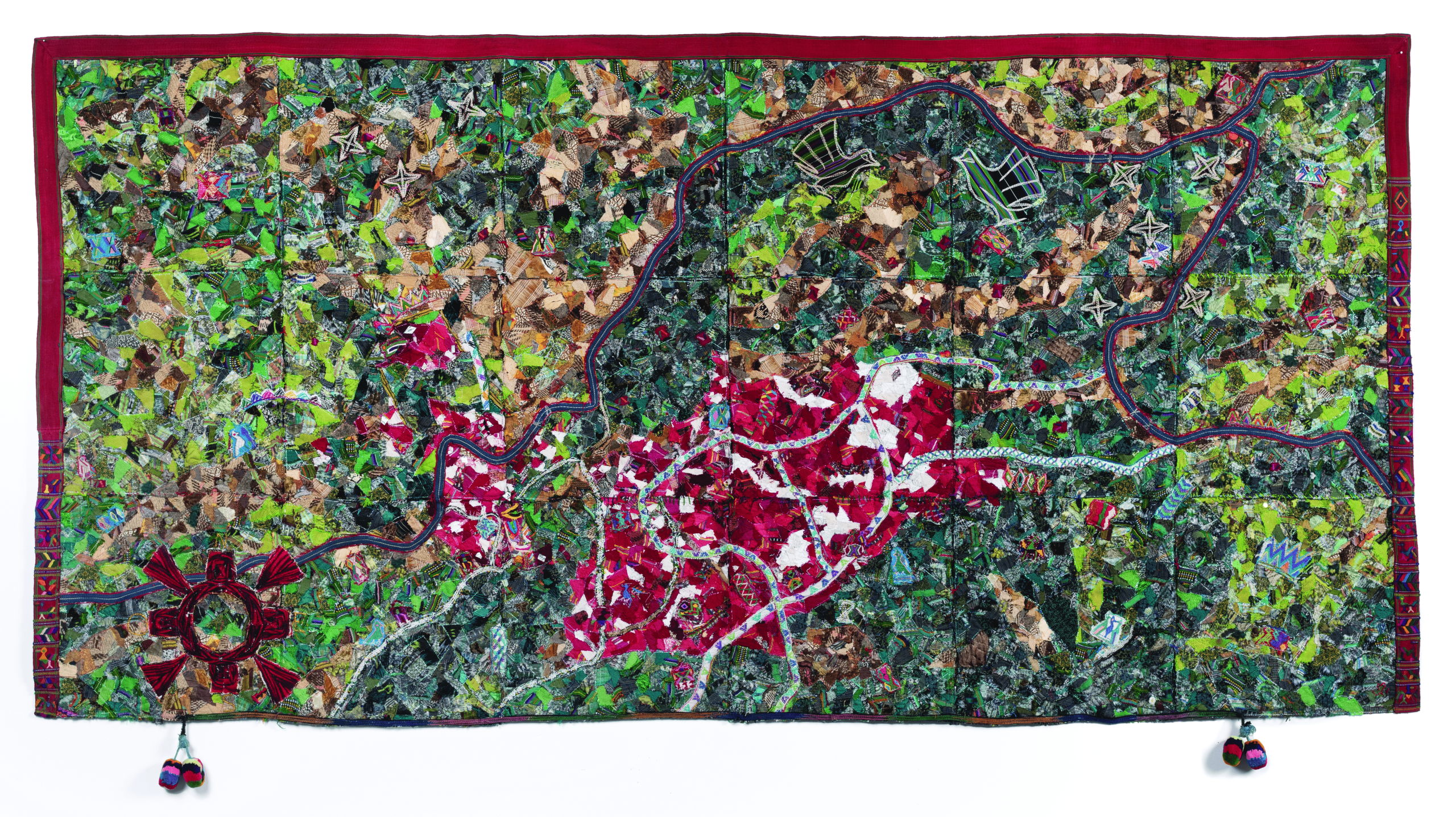
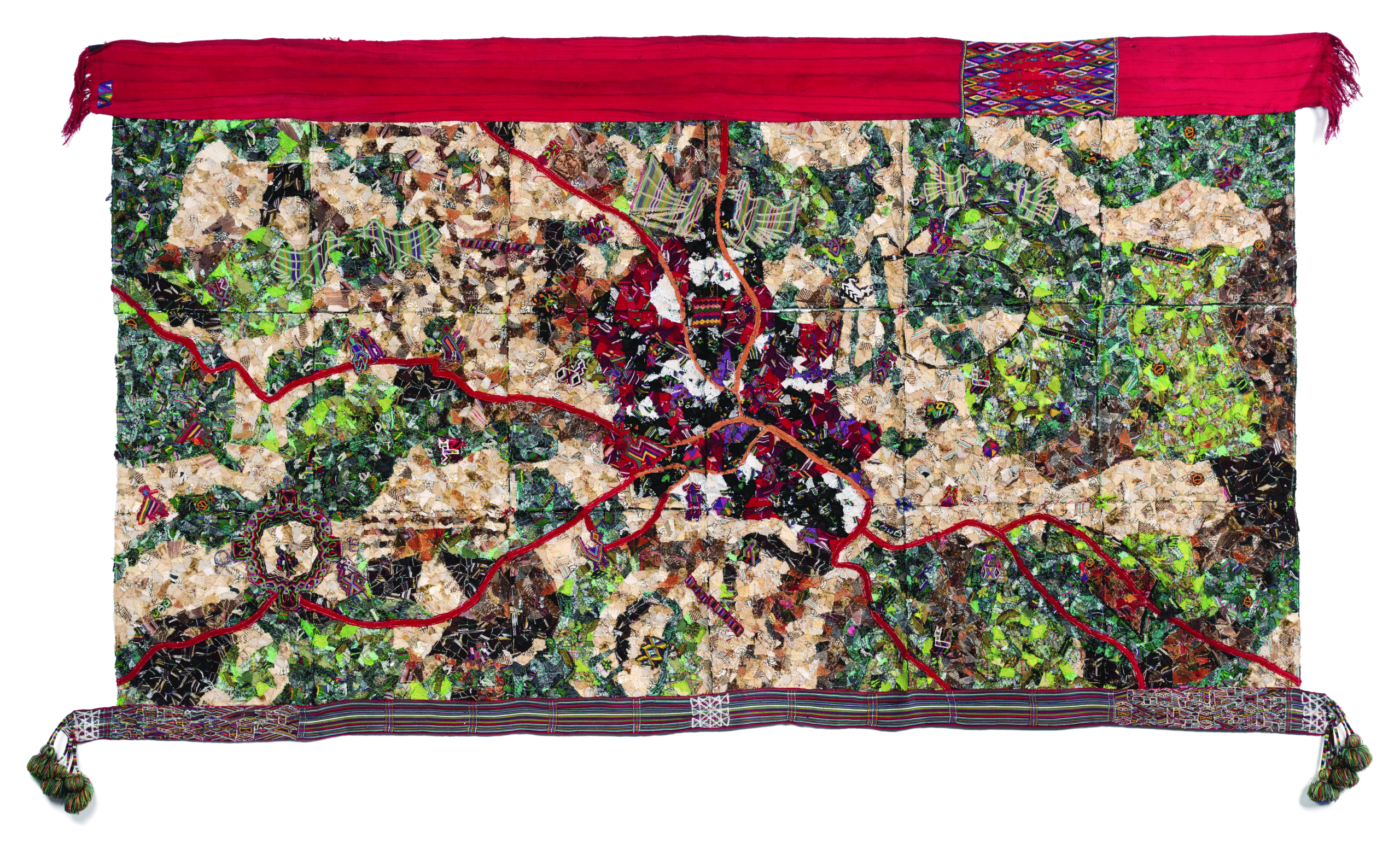
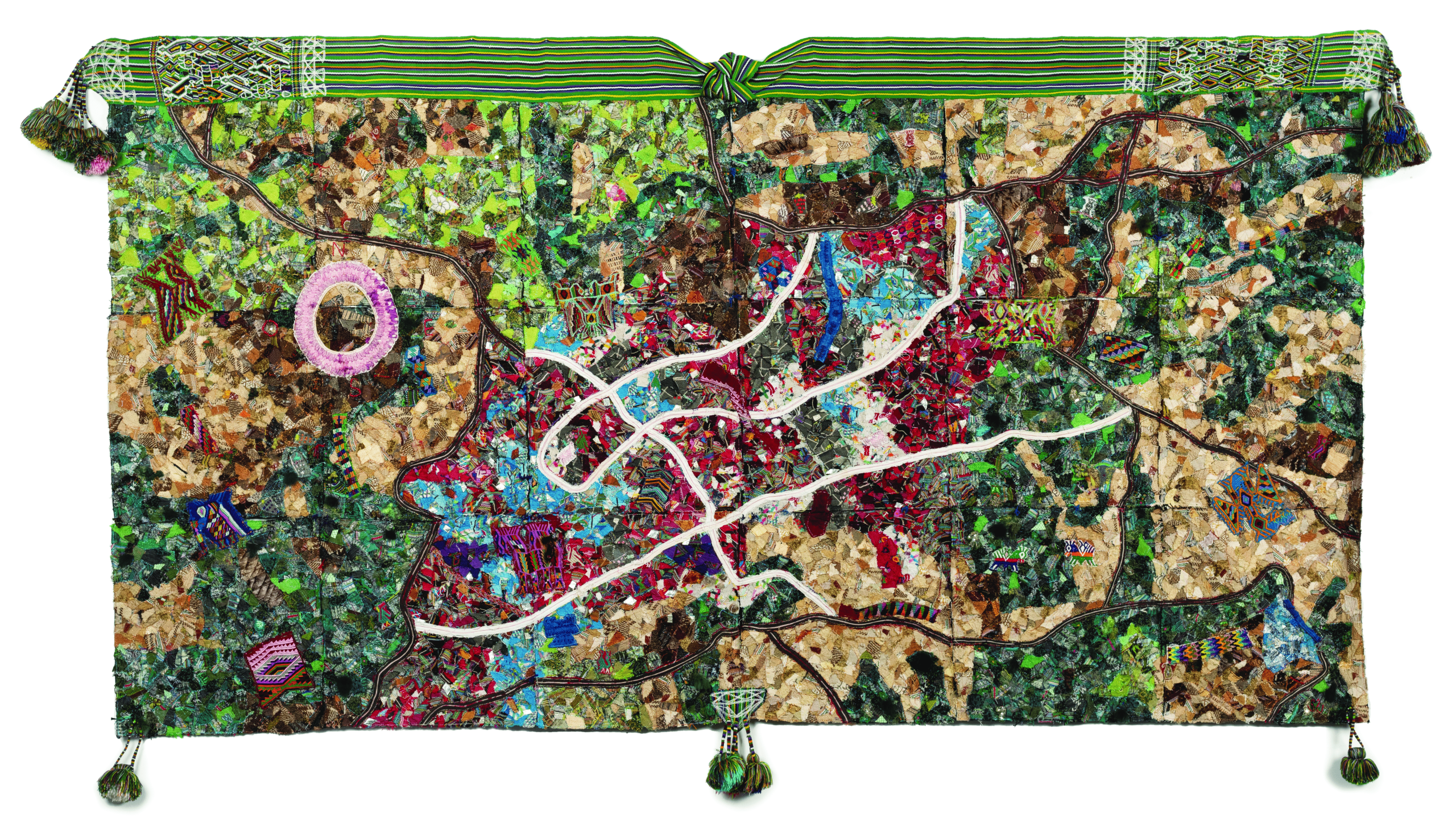
Sylvia Tenenbaum, a textile artist born in Guatemala City in 1965, explores materials, textures, and cultural heritage in her installations. Growing up in a family involved in the textile industry, she was surrounded by Mesoamerican weaving traditions that later shaped her artistic vision. A self-taught artist, Sylvia earned a BA in Hispanic Literature and an AA in Fashion Design. She founded her brand ZYLE in New York City, creating innovative scarves and caps. Returning to Guatemala, she was inspired by Mayan ancestral dress and began working with repurposed textiles, blending traditional techniques with contemporary art. Her notable works include “PALOPÓ”, a large-scale aerial mosaic, about the community of Santa Catarina Palopó of Lake Atiltlán; it tells of a narrative of cultural identity through color, winning the Public’s Choice Medal at the London Design Biennale. “Weaving Geographies”, represents the Ixil community from northern Guatemala and the department of El Quiché, which still preserved their deeply rooted traditions and character. “Lo Innombrable” a memorial piece exhibited at the Holocaust Museum in Guatemala City, is an intricate cartography about the darkest moment in history which is elaborated with repurposed circularly sustainable fabrics. Sylvia’s most recent works are large hand-woven prayer rugs, studies of light woven on foot looms into fabric that invite spiritual contemplation. These pieces explore the intersection of geography, spirituality, and the human hand, offering a meditation on the sacred, the personal, and the transcendent.